it takes a village…

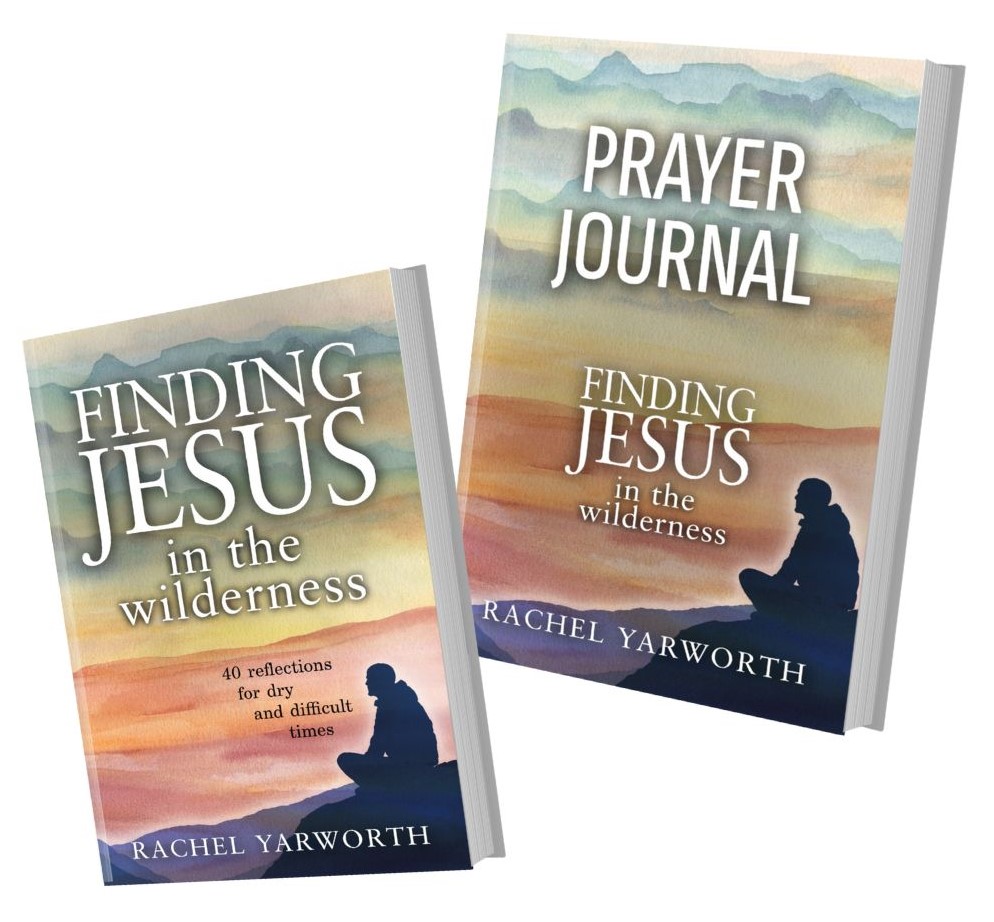
It takes a village to raise a child, or so we are told. This week, having released twin book-babies into the world, I can confidently assert that the same is true when birthing books. It certainly takes a village to get them from conception to delivery…

It was almost a year ago that I felt God was leading me to take the idea of writing a book about the wilderness, to pull it out of my metaphorical TBW (to-be-written) pile, and to write it even while still experiencing a wilderness season of my own. I had conceived the spark of a divine idea. However, many people conceive book-ideas that never make it full term, and I can honestly say that over the past year if it were not for the love, support, advice, experience and hands-on help of my own village, I don’t think my two books would have made it to publication.

For a start there was my small group of writer-friends from the Kingdom Story Writers who when I bounced the idea off them didn’t respond with horror or laughter, but fully endorsed it, believed I could do it, and helped launch me on my journey. As I began writing they periodically checked in with encouragement, in particular when it came to Lent and I felt God was leading me to write a chapter a day. I really needed the accountability that came from sharing my goals with a group of supportive friends, to keep me on track. Every writer needs a squad of cheerleaders when trying to write a book. (If you don’t have one, I recommend joining a writing group, in person or online). Thus conception and the first trimester were complete.
Joy M, Joy V, Alex, Natasha, Jo… thank you.

Then once my first and second drafts were done, I reached out to my squad of beta-readers (some of whom came from the first group of cheerleaders). These are my friendly critics: experienced writers who know what they are talking about but have the grace to suggest improvements in a constructive way. Without knowing they had all cast their expert eyes over my book, I doubt I would have had the confidence to send it to those I hoped would endorse it – greatly respected Christian leaders. When they were all happy to give endorsements it was a real boost!. This felt like my second trimester when I started to ‘show’ and let others see what had been growing.
Again: Joy M, Joy V, Alex, and Natasha; Jenny, Chris, and Cath; Steve, Anne and Laurence… thank you.

Next came my lovely cover designer, line editor, proof-reader and formatter, all in one glorious human being. I handed my manuscript over to the excellent Liz Carter, secure in the knowledge that hers were very safe hands for it to be in. Being able to trust the publishing professionals you are working with is a blessing that cannot be taken for granted. I’ve heard some horrifying stories that have resulted in botched or unfinished books, and I am so grateful that God pointed me in Liz’s direction for my first book, so I have never needed to go elsewhere since. Once Liz had finished, I was at the finish line – third trimester complete, it was time for delivery.
Liz, you rock. Thank you x

And that brings us to this week. If you’ll pardon my stretching the metaphor further, I had been nesting like crazy – working intently to prepare the world for my babies’ arrival, with daily scheduled promos all over Social Media. It was intense, exhausting, and emotionally draining to the point where a set-back with my print-run felt utterly devastating. At that point I am most grateful for my lovely, beautiful village who rallied around: my friends who prayed for me, reached out and encouraged me, and in some cases put themselves out to offer very practical help, in order to get me to – and through – delivery.
All the aforementioned villagers, plus Mike, Mum, Aimee, Thelma, the Warrior Mums, our family prayer support group, the Kingdom Story Writers and Association of Christian Writers, and every person on social media who has liked, shared, commented, pre-ordered, and in any other way cheered me on… thank you. You all made a very real difference.

So this evening I am resting. Delivery complete, I have twin book-babies newly arrived in the world. And it took a whole village of people to get them here safely.

for Samuel – a poem

In October 21 years ago I discovered I was pregnant for the second time. Having been told years previously that we could not have children, this pregnancy felt as much a miracle as the first – every one a blessing. We were so excited. However if you have read Friend of God you will know that the pregnancy ended in miscarriage at Christmas, a couple of months later. One of the things I remember needing to know is where my baby was now, and God was quick to tell me he (I believe God showed me it was a boy) was with Him. In the midst of all the grief and pain of that time, I wrote a poem to my unborn baby, as a way of processing and verbalising my deepest sorrow.

I have never shared that poem with anyone until now.

It is still an intensely personal poem. I still love and miss both the babies who I lost – it’s a pain that will never be fully resolved until we are reunited in Heaven. However, in recognition of Pregnancy and Infant Loss Remembrance Day, in honour of all the families out there who have also experienced miscarriage, and in remembrance of my two beloved heaven-babies, I felt that this year it is time to share. So here is my poem:

For Samuel…

You would have been a beautiful baby
I would have called you Samuel – my treasure – my son.
I would have rocked you, nursed you, held you –
given you all the love I had,
and probably more.
We would have been a family –
played together, loved together.
You would have brought joy to our lives.

But now it’s over – for this life at least.
And all the things I looked forward to, I’ll never get to do.
Like kissing your tiny features,
wiping away your tears,
making a smile light up your face
and hearing your first words.

Samuel, my love,
Letting go of you is the hardest thing I’ve ever done – and
I don’t want to.
I want you to come back to me, but that just can’t happen.

So I choose to give you to the only One
Who loves you more than I do.
He will hold you and kiss you, and you will grow up strong in His presence.
You will have peace and joy, and know no pain.
But I will miss you until the day we are reunited in Heaven,
And I will be free to love you again with no pain.

Goodnight my sweet son,
Mummy loves you xxx

(c) Rachel Yarworth, Jan 2004

Ruach – a poem

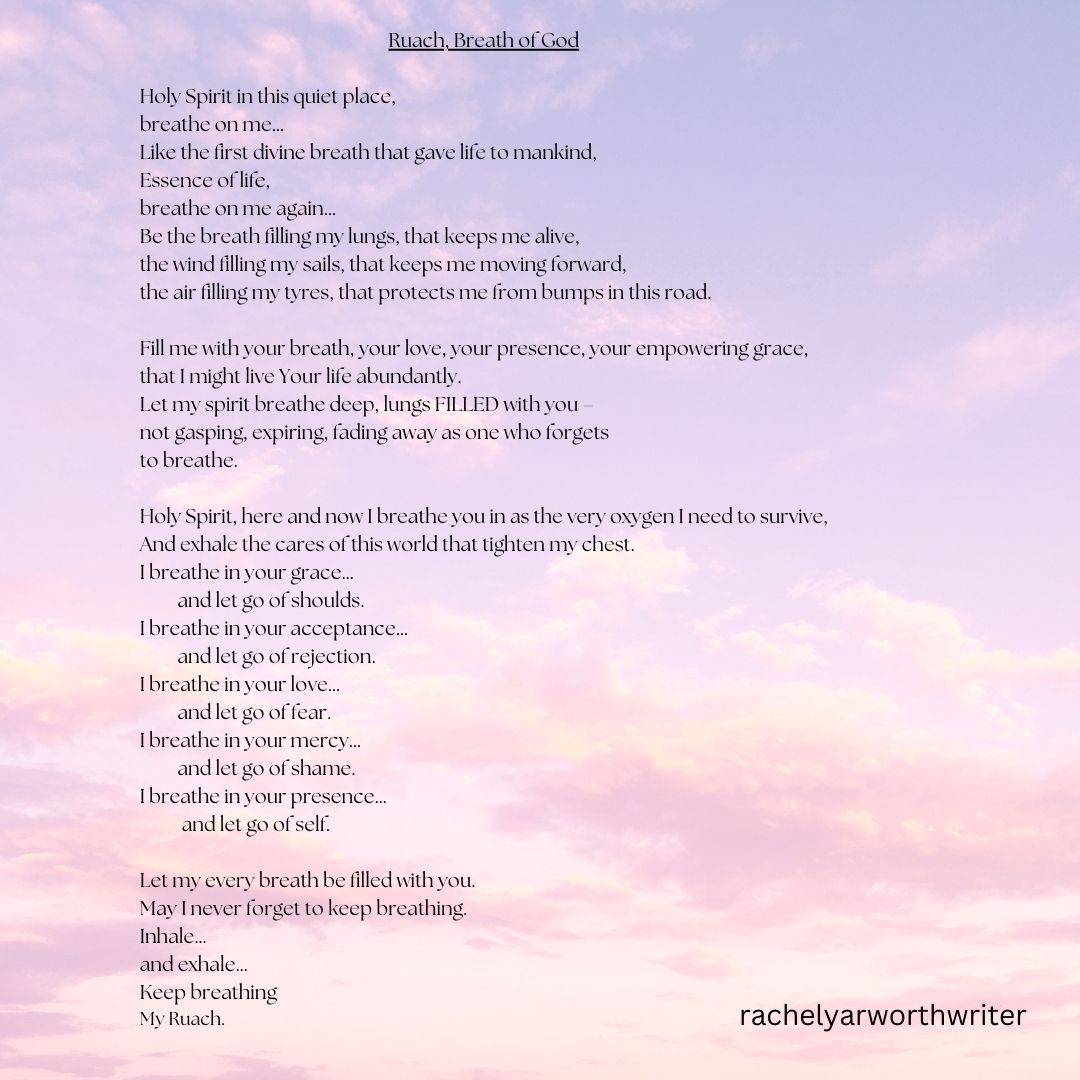
One thing about poetry – although i love it for its free-flowing and slightly anarchic disrespect of the usual rules of good writing – that same freedom often means I’m never 100% sure what makes a poem – well, a poem. Take this morning’s offering. It came out of my own prayer time with God. He had been speaking to me about the need to be FILLED with the Holy Spirit, and as I pictured my lungs being filled with good rich air and felt all the emotions involved, I wrote down my response. It didn’t follow the rules of prose (full sentences, proper grammar, paragraphs etc), and was much more a kind of creative representation of the thoughts and emotions of my response. So I call it poetry, because that seems the closest I get to expressing feelings in words. But even then – is it really poetry? I don’t know. Maybe I’ll just call it writing…

Ruach, Breath of God

Holy Spirit in this quiet place,
breathe on me…
Like the first divine breath that gave life to mankind,
Essence of life,
breathe on me again…
Be the breath filling my lungs, that keeps me alive,
the wind filling my sails, that keeps me moving forward,
the air filling my tyres, that protects me from bumps in this road.

Fill me with your breath, your love, your presence, your empowering grace,
that I might live Your life abundantly.
Let my spirit breathe deep, lungs FILLED with you –
not gasping, expiring, fading away as one who forgets
to breathe.

Holy Spirit, here and now I breathe you in as the very oxygen I need to survive,
And exhale the cares of this world that tighten my chest.
I breathe in your grace…
and let go of shoulds.
I breathe in your acceptance…
and let go of rejection.
I breathe in your love…
and let go of fear.
I breathe in your mercy…
and let go of shame.
I breathe in your presence…
and let go of self.

Let my every breath be filled with you.
May I never forget to keep breathing.
Inhale…
and exhale…
Keep breathing
my Ruach.

poetry rules

Today is National Poetry Day!


I confess, I didn’t have time to write a new one, so am sharing one from my archives. It was important to me to do so today because although I loved poetry when I was younger, for many years I have not written many poems. Child-rearing and the general busyness of life have a way of stifling creativity and consuming any time that might otherwise have been used for self-expression. But since publishing my first book (and approaching the end of my child-rearing days), I have been trying to embrace a wide range of writing, and have rediscovered my old love of poetry. And recently I have been pushing myself to share it publicly. Not for acknowledgement or recognition – it’s been so long that I doubt there is much merit in it – I just want to share my love of it and encourage myself to do more.

Because poetry rules. In prose, starting a sentence with the word ‘because’ as I just did is usually frowned upon (apart from the few occasions when it is legitimate). But (the same goes for ‘but’s) I prefer to write informally, so I tend to rebel against such rules, as you can tell. And (ditto) yet despite my rebellion I can’t quite ignore the nagging voice in my head reminding me that a decent writer would not commit any of the above crimes of syntax. However in poetry, that nagging voice is beautifully silenced. Linguistic anarchy rebel is not only permitted, but encouraged. Rules of structure take second place to effective expression.

Well that’s my take on it anyway. I know that good poetry is not just flung together haphazardly: there is real craft involved – and I’m nowhere near mastering it yet. But for now I’m just rediscovering the joy and freedom of expression that made me fall in love with poetry in the first place. So here it is, a poem that I wrote many years ago, in response to an assignment back in my student days. When my English lecturer read it he encouraged me to pursue publication, and although I did not do so at the time, that kind of encouragement never leaves. Happy National Poetry Day!

Speculation

In trying to write this little rhyme,
I found with great frustration
There were no subjects in my mind
That offered inspiration.
I could not write an epic verse –
My strength is not narration.
I realised, to be a poet
Could not be my vocation.
But after spending half an hour
Of solid application,
I suddenly found inside my head
A major transformation.
And now, although this verse of mine
Would not earn publication,
I’ve realised the only way
Is verbal lubrication.

come to me

If I have a single message – a core value that all my writing comes back to – it is this: God desires relationship with you, not religion. He doesn’t just want to be believed in (even demons believe in Him – James 2:18); He wants to be KNOWN. Personally.

There were two occasions this week when that message was highlighted to me again. Firstly during my daily Bible reading which took me to Isaiah 28:13…
“So then, the word of the Lord to them will become:
do this, do that,
a rule for this, a rule for that,
a little here, a little there,
so that as they go they will fall backwards;
they will be injured and snared and captured”
 (NIV)

It seemed to me to epitomise the tragic descent from hearing the life-giving revelation of God’s word, into a bunch of religious rules followed by those who have never heard God for themselves. The Pharisees were a prime example, taking the law given to Moses and adding rules upon rules until those who wanted to serve God were trapped in legalism. Tragically, church-goers across the world today still experience this kind of religious observance of rules and miss the joy and freedom of walking with God Himself. For when we don’t know Him and walk with Him in relationship, we have to resort to what other people have said about Him, rightly or wrongly: a two-dimensional second-hand representation. It’s no substitute for the real thing, loving relationship with God Himself.

So, He invites us to walk with Him. In Matthew 11:28, Jesus words are recorded: “Come to Me, all who are weary and heavily burdened [by religious rituals that provide no peace], and I will give you rest [refreshing your souls with salvation]” (AMP)

It is only by coming to HIM, in person, that we receive rest from religion, and our souls are saved.

The second thing that struck me this week happened while I was reading a fiction book set in the times when Jesus physically walked on earth. A character was discussing the crowds that followed Jesus hoping to be healed, and I suddenly saw the scene before me: Jesus walking through a town where hundreds, if not thousands, gathered hoping for a touch. And a question rose within me: if Jesus’ mission was all about healing, why didn’t He just gather a crowd together and then command them all to be healed in one go, when clearly He had the authority and power to do so?

As soon as I asked the question I heard the reply:

“Because I wanted them to come to ME”

There are several accounts of Jesus healing in crowds. These are a few: Matthew 15:30 says, “Great crowds came to him, bringing the lame, the blind, the crippled, the mute and many others, and laid them at his feet; and he healed them” (NIV). Matthew 4:24 says, “people soon began bringing to him all who were sick. And whatever their sickness or disease, or if they were demon possessed or epileptic or paralyzed—he healed them all” (NLT). Luke 4:40 says “all those who had any that were sick with various diseases brought them to Him; and He laid His hands on every one of them and healed them” (NKJV).

Evidently it was about the personal touch: whether being laid at His feet, or touched by His hands -the vast majority* of the people healed by Jesus were those who encountered Him and saw the love and compassion in His eyes as he healed them (*and for those few exceptions who were healed ‘in absentia’, it was after a friend encountered Him personally). If He had healed people en masse they would have been blessed by the healing but missed the most important point: encountering Him personally. (Healing is great, but knowing Him is better. Our physical wellbeing is only an issue during this brief lifetime; knowing Him is for eternity).

I heard a well known Christian preach his theory about Jesus not healing everyone, saying that when Jesus left town there would have been people left behind who weren’t healed, delivered, or raised from the dead. From that assumption he inferred that Jesus didn’t want everyone healed, but that does not seem to match with the Bible teaching that Jesus healed ALL who came to Him. Because God never turns anyone away. He wants everyone to personally receive His love and favour and to enter into relationship with Him, so that when this life is over and we step into eternity, He will have no cause to say “I never knew you” as He said to those who claimed to do great things on His behalf (Matthew 7:23). No, when we know Him and walk with Him, we will be with Him forever, continuing the relationship that can only begin here.

So today I am meditating on those words, “Come to ME”, and praying for myself and for you that we will lay aside all empty religion and simply come to Him, to truly get to know Him and walk with Him in relationship. Amen

Image by lauwahyuen from Pixabay

Getting to the Other Side – a poem

One of the things I love about poetry is how it offers the chance to capture, express and process emotions. A friend of mine is going through somewhat of a storm right now (more than one friend in fact), so as I have nowhere else to share my poetry yet, I wanted to share this here, in honour of all those currently experiencing life’s storms. It was written when I was in a storm of my own earlier this year…

Getting To the Other Side

The air has dropped a few degrees
The darkening clouds draw near
The boat begins to creak and buck
Brave fishermen taste fear

The rain falls from the death-black sky, 
Assaults with cruel force
The wind tears through the futile sails
And waves turn into walls

The hostile sea now overwhelms
The vessel starts to drown
All cries for help lost in the fury
of the raging storm

“Awake, O Lord, please save us now
Else we are going to die!
How can you sleep when such a storm
has come to take our lives?”

“Such little faith; why so afraid?
The other side’s my will.
You need not fear when I’m on board, so
Peace… be still!”

The wind and waves instantly tamed
The little boat at rest.
The fishermen relieved that they
have made it through the test

Dear Lord, when storms of life arise
to overwhelm with fear
Help us to keep our hearts at peace
Knowing You are with us here.

(From Matthew 8:23–27Mark 4:35–41, and Luke 8:22–25)

Image by Andy from Pixabay

… but method matters too

As I wrote yesterday, for those of us who are Kingdom writers, writing because we have a message of hope and love to share with the lost and weary world, we should not disqualify ourselves from writing just because we are not award-winning, brilliantly skilled writers. Our message of hope has power to reach hearts, even if we feel unqualified to write well. The Holy Spirit dwells in our words and loves to use them to change people’s lives. So please, never let your lack of ability/ confidence stop you from telling your story.

BUT…

That said, I do need to be real. Self-published books still have rather a bad reputation. And in some cases it seems to be because their authors finished writing their first draft and thought they were done. Without the support and experience of a writing community, they treated their first draft as a finished book, uploaded it to KDP and hit ‘publish’. It’s easy enough to do, and at least the message is out there. So it’s not a terrible thing to do. However, in this they are doing themselves, their readers, and self-published authors everywhere a disservice. I have to be honest, because I really want to be helpful: I have read many self-published and even hybrid-published books that made me sad because they are not very well written. I’m not looking for literary brilliance – that would make me a total hypocrite – but whether it’s because there is no coherent structure, or the syntax is confusing, or the spelling and grammar mistakes keep tripping me up, reading a poorly written book can become a chore rather than a pleasure. And even if the reader makes it to the end, the struggle to stick with it gets in the way of them receiving the book’s message or put them off buying any future books by the same author. And that is sad.

So yes, I still maintain that message matters most, but method does matters too, so I wanted to share a little hard-earned advice with any first-time writers out there. As a writer, you are most likely the only one who can tell your story, and I want to encourage you to go for it – but just please don’t do it alone. We function best in community, as a body, and God has placed others around you who can and would love to help you do tell your story as well as possible.

So here is my advice to emerging writers – the method I recommend and personally follow…

1/ Write your first draft. Whether you are a pantser or a planner, enjoy it – this is the fun part. But do NOT rush to publish. You will naturally want to get it out there to your readers asap, but speed is not your friend here. So stop.
2/ Put your manuscript in a drawer/ save it to your computer – with a backup copy – and do not look at it for a month. Honestly, you need time to forget what you wrote.
3/ After a month, re-read it for yourself. You are more likely to spot errors and issues now.
4/ Edit heavily. Be brutal with cutting out the parts you enjoyed writing but that don’t actually contribute to the story.
5/ Find beta-readers* to read it and give feedback – expect this to take a couple of months.
6/ Edit again based on your beta feedback. If there were a lot of changes needed, repeat stages 5 and 6.
7/ (optional) Approach trusted people for endorsements – people you know will actually read it and be honest in their praise. (I struggle with this step as it’s hard to find people who don’t feel obliged to write something positive even if they didn’t think it was great).
8/ Send to a proof-reader – even if you are good at it yourself, proof-reading one’s own work is notoriously difficult.
9/ Get help at a professional standard** with formatting and cover-design.
10/ Now you can upload to your chosen platform and hit ‘publish’.

*Good Beta-readers – the ones who give constructive criticism and encouragement – are one of the most important resources a writer can have. They are your ‘practice readers’, likely to spot any problems that others would notice, just before you publish. Sending your manuscript to beta-readers can be nerve-wracking at first because our fragile egos don’t want them to spot errors in all our hard work. But the more books I publish, the more I want them to find mistakes, as that helps me not to publish something I will come to feel embarrassed by. So a few tips in finding beta-readers:
1/ Have at least one beta-reader who is your Mum/ sibling/ best friend, who you know will tell you it’s brilliant, regardless – we all need cheerleaders to encourage us to keep going.
2/ More than half of your beta-readers need to be published writers themselves, with the experience to recognise common issues that non-writers might not spot. There will be people willing to do this for free (or for a reciprocal arrangement) in your writing community, so ask around! If you don’t have a writing community yet, hop over to Kingdom Story Writers on Facebook – or the Association of Christian Writers. I have found both to be really helpful and supportive.
3/ Assuming you are writing a Kingdom book (i.e. with a Christian message), have at least one beta-reader who you trust as having sound theological understanding, who can help you identify and straighten up any issues that might be Biblically inaccurate/ confusing.

**Obviously not everyone can afford professional formatting, cover design etc. There are actually very reasonable cover-design services out there, and those experienced in publishing who can help with formatting, so if you have no budget for these processes don’t just ignore this step, but seek advice from others in the writing community.

Once you have followed all those steps, congratulations! You worked hard, received help, didn’t quit, and are now a published author! Honestly, your book may or may not be award-winning – personally I still don’t believe mine are technically that brilliant – but at their heart is the message of the most true and glorious Kingdom gospel, and that’s what matters most to me. And thanks to all those who helped me, they are written to the best of my ability right now so as many readers as possible can receive the message within. So if you have enlisted the help of other experienced writers, you will also likely have produced a book that has a good message and is written well enough to make it accessible to many readers. The rewards you will receive for that are eternal, and that is something to rejoice over! Well done, good and faithful servant.

message matters most…

(I can’t decide whether I love an alliterative title or am irritated by them. Mine was accidental, but nonetheless, I’m sorry if you belong to the irritated gang. Thanks for not letting it put you off!)

Recently I entered a writing competition run by Sue Sutherland of www.leavingbethany.com. It’s not something I tend to do because – well – imposter syndrome. Basically, I don’t believe I’m that good a writer. I will accept that I may be better than the average person, but in competition against other writers? I don’t think so. Even in the books that I have published, I still struggle with an unescapable feeling that they could be so much better if I knew what I was doing. So I tend not to enter competitions, assuming that someone better and more deserving will inevitably win.

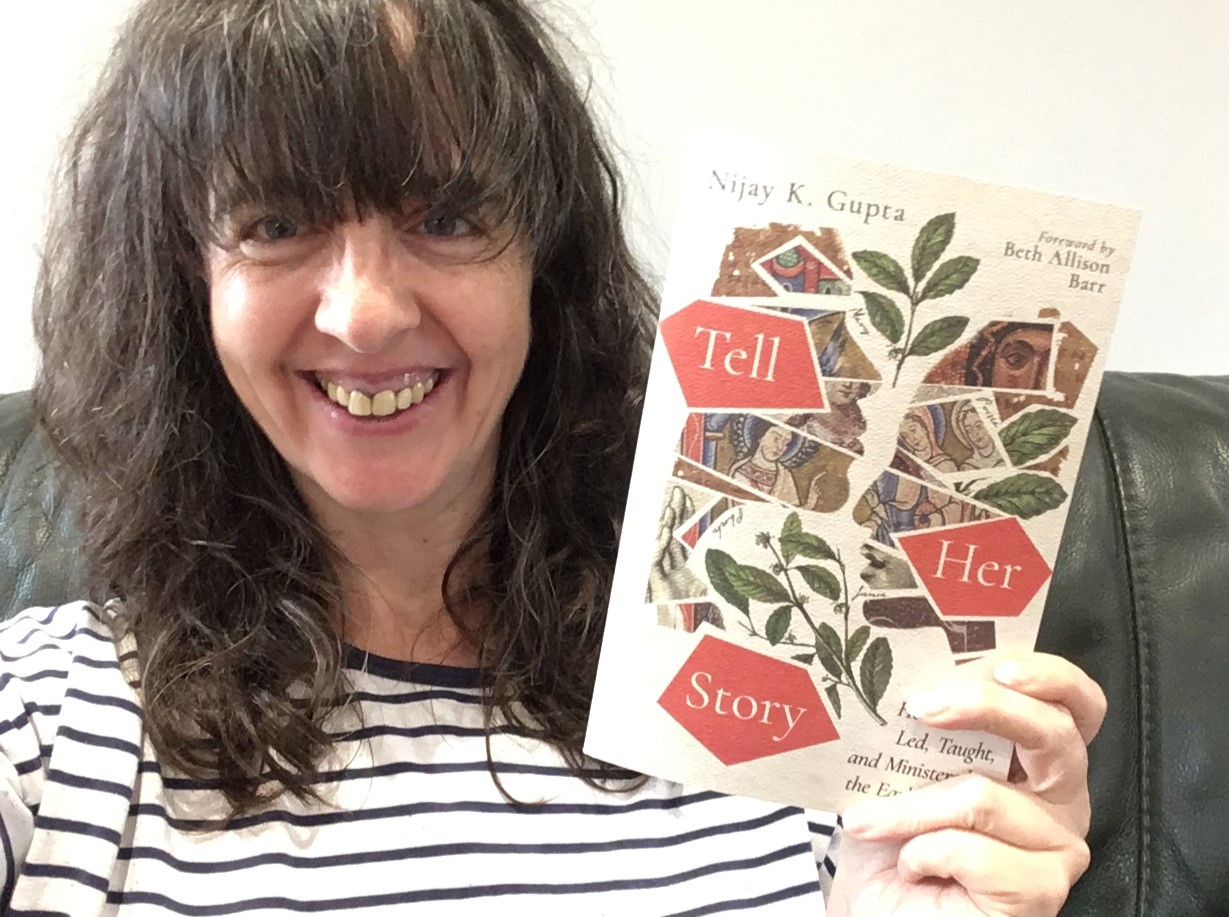
However this competition caught my eye for two reasons. One was the prize: a book about the women who led and ministered in the early Church: right up my proverbial street! The second reason was that the piece of writing to be submitted was a maximum of only 75 words! Nothing too taxing, surely?! I know: micro-writing requires great skill and can actually be more demanding than writing thousand-word pieces. But I figured overthinking 75 words would be less painful than overthinking hundreds or thousands more. So I had a look at the subject.

Hmmm. There are many Bible characters – female and male – who I identify with at different points in my life, so there wasn’t an immediate choice that sprang to mind. But as I considered it further, I thought of Abigail from 1 Samuel 25. Abigail is someone whose story I had read recently and who always inspires me. I scribbled down a few sentences, played around with them, and made sure they didn’t exceed the 75-word limit – and then ran out of time to do anything more so I sent it off, still thinking it wasn’t very good, and expecting someone else to win, but congratulating myself for at least not quitting before I started.

Imagine my total shock when I received a message from Sue saying I had won!!!


‘ll share my entry below so you can read it for yourself, but I wanted to also share what judge (who received the entries without the authors’ names attached) said about it – and what I gained from the experience, other than a lovely new book.

Judge Jean Perry (Suffolk artist) wrote, “For me, there was an easy winner as the writing stood out as meeting most of the criteria… The lady who wrote about Abigail made it personal, humorous and authentic. I felt her short summary was very well argued, giving both a critical view of the subject and a fresh way of looking at submission and courage from a woman’s perspective. Her writing inspired me to read the story again for myself and challenged me to have the faith and confidence to follow in Abigail’s footsteps.”

Well, that was encouraging – what a boost to the old confidence levels! It made me think again about imposter syndrome and that feeling of not being good enough, or as good as other “proper writers” (whatever that means). And it made me remember something I have resolved upon more than once already. Because excellence matters. Spelling, punctuation, and grammar matter. So do style, voice, flow… and all the other elements that are considered to be essential to good writing. And when I re-read my entry, I was horrified to spot errors in it. But that’s not all there is to a story. For it to be worth telling it has to carry a message. As I mentioned in my previous blog post, there is power in testimony. And that power does not come from the persuasiveness of the author, or how skillfully they tell the story. Sure, they need to have enough of a grasp of language to be able to communicate well, but what matters more is the message. As long as you or I can communicate well enough to make our point, that can be enough.

Those of us who are writing for God’s Kingdom are writing the true story of His goodness and transforming love. Yes we need to do our best to not trip the reader up with clunky syntax or poor spelling, so we need to get help from those in the writing community around us (more on that tomorrow). But if the heart of the message is God, then He Himself dwells in it. It doesn’t get better than that! Many of Jesus’ first disciples were not educated men (Acts 4:13), but they knew Him – and changed the world through their testimony. And personally speaking, I’d rather share a simple, unsophisticated story where Jesus’ love is the obvious focus than one where my style of writing gets the attention.

So that was my reminder to self. I don’t know if I’ll ever get to the point of thinking my writing is “good enough” or mistake-free, but I’ll try to keep reminding myself that ultimately it matters less than my subject. Give my substance over style, any day. I will give what I’ve got and trust God to use it. And if a few scribbled sentences can cause a competition judge to want to look at her Bible again, that’s more than a win for me!

So here it is, my super short, “not-very-good”, winning entry:

“I identify with Abigail.  Not because her husband was an idiot – mine isn’t. But because so much of traditional male-led Christianity still dictates that wives should prioritise submitting to their husbands, winning them over with their quiet godly conduct – making us responsible for men’s behaviour. It feels stifling, oppressive… impossible. Abigail was submitted and godly – yet praised for her wisdom in thinking for herself and refusing to submit to wrong. I love her.”

the power of telling your story

Yesterday I came back from youth camp. I spent five days in Shepton Mallett with about 3000 young people and a whole host of adults there simply to love on them and help them grow in faith: it was inspiring; it was energetic; it was loud; it was powerful… and it was exhausting.

I am having a gentle day today – not being a teenager any more, it takes me a little longer to recover from such revelry. As I sit on my comfy sofa with my dog dozing at my feet (he gave me a very enthusiastic welcome home and is not letting me move), I’m considering the many blessings that happened there. One of them in particular simply has to be shared here.

There were many brilliant speakers at camp, sharing powerful talks. But there was one stand-out moment for me, when a 70-year-old Jesuit priest received a spontaneous standing ovation that lasted several minutes. He wasn’t particularly dynamic in his presentation. In fact, when he started speaking I was concerned that he had lost the room, he was so softly-spoken and understated with his message. But then he started telling stories. His name was/ is Father Greg Boyle of Homeboy Industries, the world’s largest gang intervention and rehabilitation program (Wikipedia). And he simply shared the stories of some of the ‘homies’ who he knew and worked with, and how God had worked in their lives. He didn’t sensationalise anything – he didn’t need to; the stories were powerful enough in their stark simplicity. But as he spoke, the love of God was simply and powerfully communicated. Without fanfare, but through Father Greg simply sharing his stories, the Holy Spirit moved through the hearts of every person in the room – including the ones who had previously been struggling to connect.

When he stopped speaking there was a moment of stillness as he left the platform, as we all tried to process what we had heard; struggled to comprehend the palpable spirit of grace and love that had just been imparted. Then the applause started. The hosts came onto the stage to close the meeting, but the applause continued and grew into cheers. Like a tsunami it continued growing in intensity as waves of people all across the auditorium got to their feet and continued applauding. Of course we were cheering for Father Greg, in appreciation and recognition of what his ministry has achieved. But more than that, it felt like we were cheering for God Himself, for the love and compassion and liberty He has showered on those who society deems to be the worst of the worst. Of course the applause eventually came to an end on that day, but for those minutes that seemed to stretch outside time and into eternity, it felt like we connected with Him and each other and all of Heaven, applauding and praising God in a way that I have never experienced.

And it all came from the simple telling of stories. Imparting God’s transforming love to the listener/ reader, one story at a time.

That is the power of testimony.

PS You can read some of Father Greg’s stories in his book, Tattoos on the Heart. I’ve not read it myself yet, but am willing to recommend it nonetheless. I’ve ordered my copy, and can’t wait for it to arrive.

to question or not to question

My current Work in Progress is a devotional – sort of!

As with all my other books, I am not writing according to a format. Sigh, I do seem to make things difficult for myself, but as a Kingdom writer integrity to my message matters more to me than commercial success or marketability – hence the ‘sort-of’.

True devotionals seem to be presented as a set of daily readings – check.
Each one is usually based on a Bible verse or passage – check.
And each one is usually short – erm…
Mine aren’t exactly short. They are not exactly long chapters either, but there is good reason why I didn’t want a set of brief little readings this time. Each day contains a thought that is meant to go deep, to speak into real pain and/or need, and I couldn’t do that in just 100 brief words.

And the final characteristic common to many devotionals is that most of their chapters conclude with a set of questions designed to help the reader think deeper, study further, or apply the day’s thought to their life. I totally get why writers include them. But as a reader, I do not like them – they feel patronising and stifling, and often unrelated to the nuances of how God has spoken to me through it. So I usually skip right past them, but often with a residual sense of guilt that I haven’t read/ used the book properly. To be honest, I don’t read many devotionals – maybe for this reason.

So when I found myself writing a (sort-of) devotional, I really wrestled with whether to include these questions, jnowing that just because I don’t like them it doesn’t mean some readers might not find them helpful. They didn’t come naturally as I wrote, but a writer friend who I hugely respect encouraged me to keep trying, so I tried to add some at the end. I really, repeatedly tried – and kept hitting a block. And then I got completely stuck. I just couldn’t come up with anything that satisfied me. So I put out a few research questions on social media and in the writer groups I belong to (shout out to Kingdom Story Writers and the Association of Christian Writers – thank you all!) And the responses I received really helped me to filter my own thoughts. I think I have decided not to include questions in my WiP, and here’s why:

  • Many times these questions are too generic – they have to be, in order to apply to as many readers as possible. But that doesn’t leave space for truly incisive personal revelation.
  • This is not a book for baby Christians. I feel it would be disrespectful and unhelpful to spoon-feed my readers with set responses.
  • I personally believe God wants to speak to each individual person as they read. If I have done my job and landed the point I believe He wanted me to make, I must trust that the reader is already receiving a personalised blessing from Him and don’t need me interrupting that process with generalisations that could detract.
  • It’s not authentic to who I am as a writer. The whole of this book has been very – at times painfully – personal. It goes deep, to minister to people in dry, dark and difficult places. I don’t want to place a demand on those readers that could make them feel like a failure if they skip over it.

Basically, I want to trust the Holy Spirit to use the book as HE wants, to bless the reader and not make subconscious demands of people who may already be struggling.

So I think my decision is made, but I’d love to hear your thoughts: as a devotional writer why do you include these kind of questions, or not? And as a devotional reader why do you like them or not?